PLEASE ALSO VISIT AS SEEN BY JANINE'S WEBSITE USING LINK TO THE RIGHT =>

Lighting

Pet Portraits As Seen by Janine!

Outdoor Adventure Pet Portrait

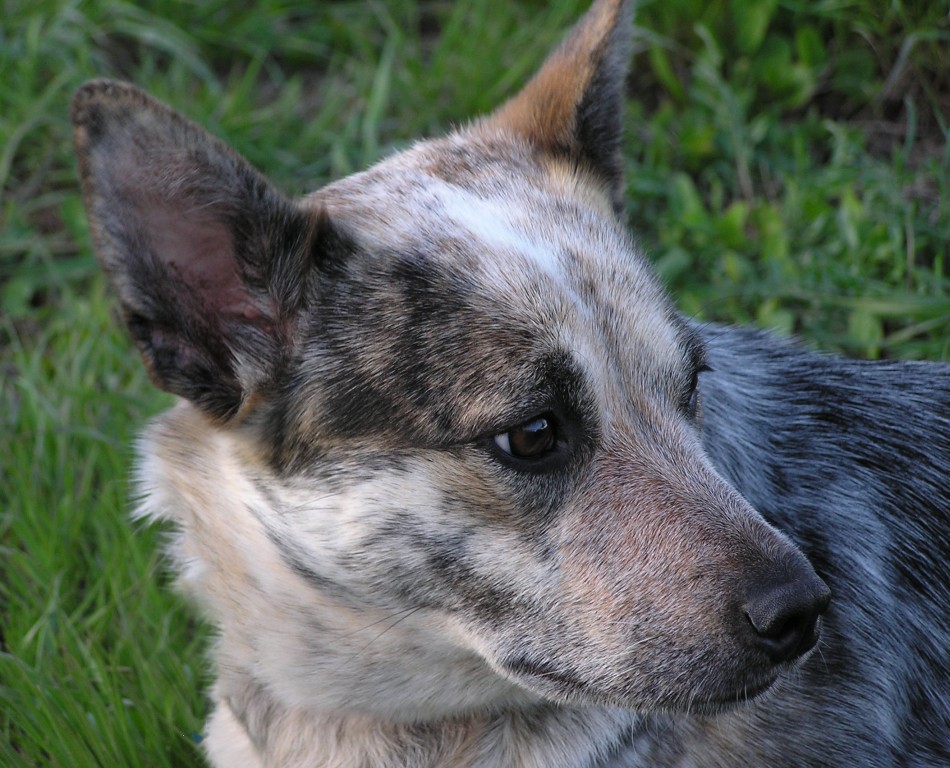
Pet Portraiture is one of my favorite areas of photography.  No better time than the holidays to have portraits made of your pet! Here are three  samples of portraits I’ve taken of my own dog, Kiah, a Blue Heeler (Australian Cattle Dog). (more…)


Winter Wonderland Hits Colorado

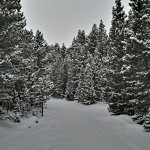
Winter Wonderland Heading up Niwot Ridge

How fun that Winter Wonderland has hit Colorado! These are a few photographs taken on a recent snowshoe hike I led for Colorado Mountain Club. (more…)


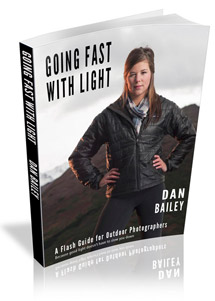
Daniel Bailey’s “Going Fast With Light” eBook Reviewed

Dan Bailey's Going Fast With Light

I was super-excited when I learned Daniel Bailey’s newest eBook was going to be about “Going Fast With Light.”  This eBook  is an outstanding resource, whether you’re totally new to off-camera flash, or you’re a pro photographer looking for ways to lighten up your arsenal of off-camera lighting gear! (more…)


Art Illumination: Flash Bus Style!

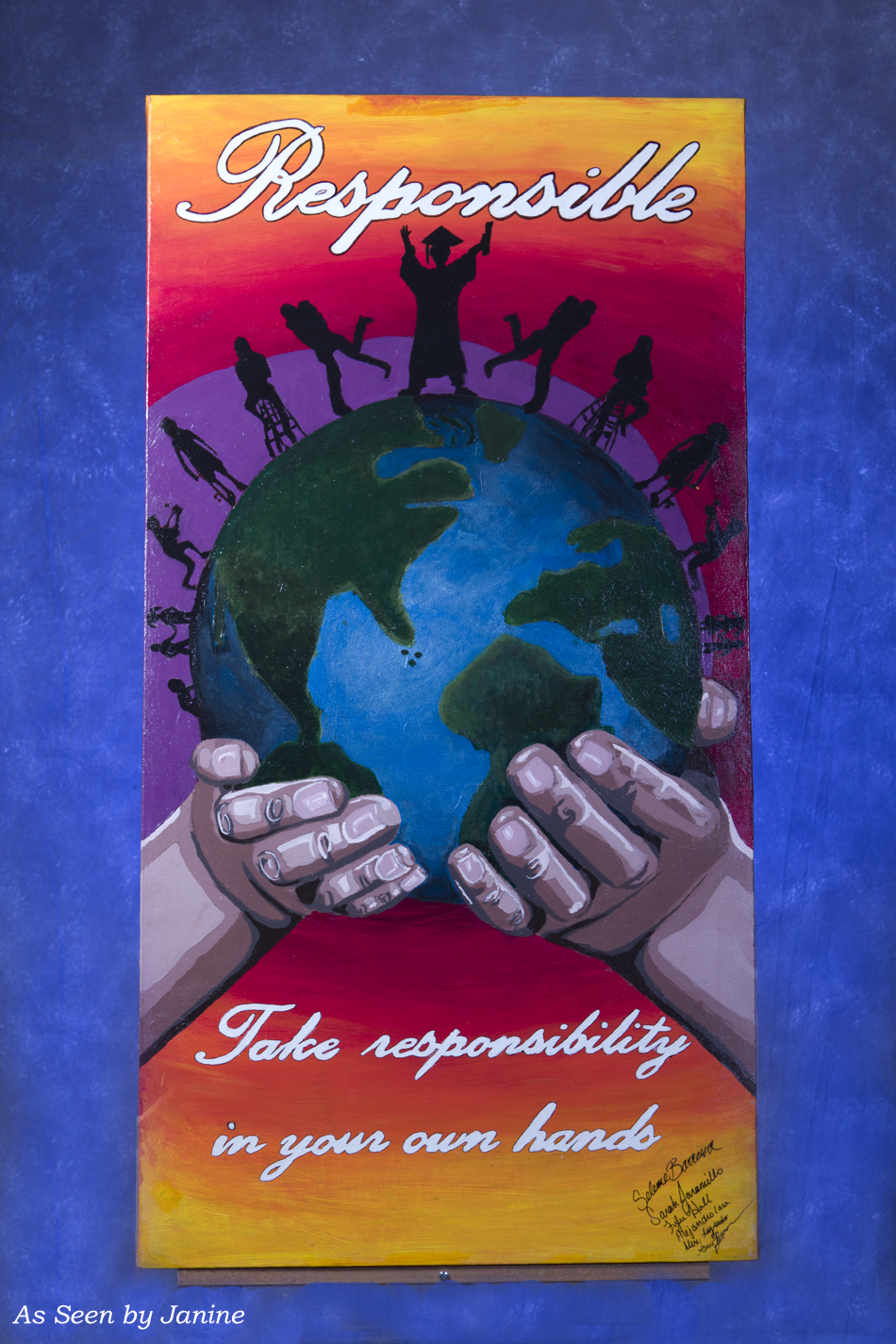
Responsible Global Leadership Academy

When the art teacher at Global Leadership Academy in Denver, Colorado asked me to photograph an art documentation project, I’d just signed up for The Flash Bus Tour.  This was a day-long speedlight training seminar being taught cross-country by David Hobby and Joe McNally, both strobe lighting ”gurus” in my esteem.  (more…)


Portraits of Students with Mural Paintings

My previous post presented art documentation photographs of amazing mural paintings created by student artists.  They were painted at Global Leadership Academy, the school in Denver, Colorado where I teach. The murals represent the character traits and the school mascot; this project has really helped to instill school pride and identity in our students and staff. (more…)


The Flash Bus Tour in Denver Was Totally Worth the Price of Admission!

The Flash Bus Tour in Denver was one of the peak experiences in my lifetime of learning about photography!
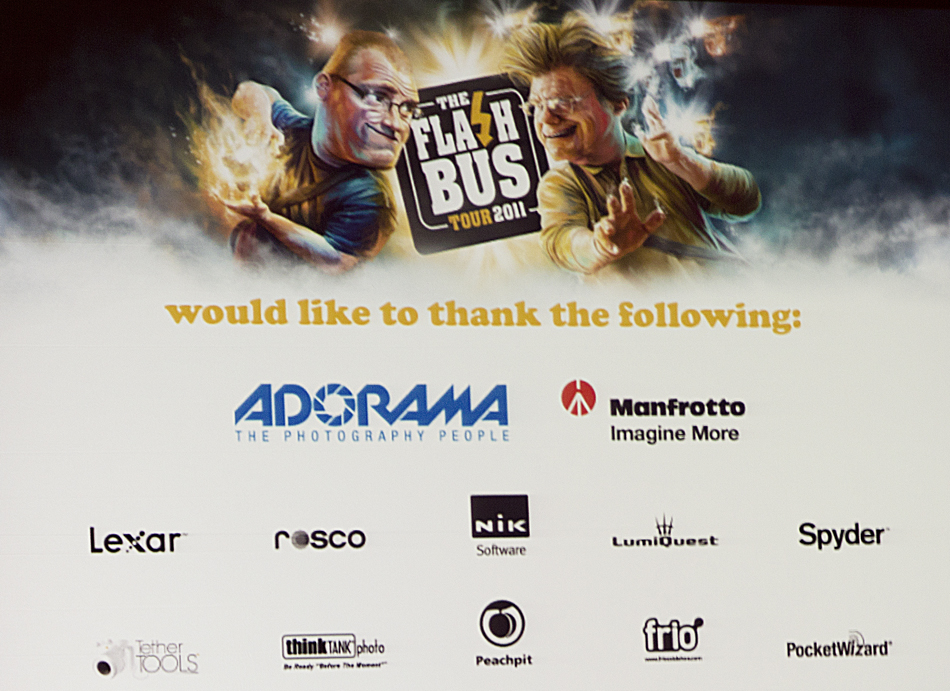
Flash Bus Tour Denver Opening Screen

(more…)


THE FLASH BUS TOUR – Denver!!!

The Flash Bus Tour Avatar

Wonder what happens when two extremely talented photographers team up, both gifted in their creative use of strobe lighting, and also both clearly a bit on the crazy side (okay, maybe more than just a bit crazy)???

THE FLASH BUS TOUR, that’s what! (more…)


Gearing Up for Serious Flash Photography

As Seen by Janine: Eyes of the World Images is gearing up for serious flash photography! I just splurged and bought two more Canon 430EX II Speedlights to add to the one I already have.

Translation: More gear bought on "Buy Now Pay Later" interest-free credit, which will help me turn As Seen by Janine: Eyes of the World Images into a real money maker & will also become part of my tax-deductible business start-up costs. A future post will follow on how I've formally set up my business, along with how I'm accounting for all my expenses and claiming deductions off my taxes as the sole proprietor of my own business. For now, back to the topic at hand: FLASHES!

I love my Canon 430EX II Speedlight and my Canon ST-E2 Transmitter, which enable me to use fully dedicated off-camera strobe lighting with no cords. I have posted previously about The Making of My DIY Beauty Dish, which I built to use with my Speedlight.

The Making of My DIY Beauty Dish

As much as I love the shots I've taken with just one Speedlight & my Beauty Dish, using a PhotoBasics reflector for fill light, once you get started with strobes, the reality is, you're going to want more than one light. They're like lenses – one just isn't enough! For truly amazing flash photography, I need at least 3 strobes – a 2nd for fill light and a 3rd for background light. This is especially true for portraiture, which I enjoy & truly need to do more of, in order to fund my extreme addiction to photography! I'm also learning that multi-strobe setups are the key to improving lighting for all sorts of photography. Luckily my Canon ST-E2 Transmitter can control three strobes at once, with complete dedicated control of the lighting ratio between all three strobes.

Part of what inspired me to move forward to assemble a true arsenal of strobes is that I'm going to a training called The Flash Bus Tour in Denver on 3/22/11. This training is being presented by two pretty famous guys in the photography world: David Hobby (former newspaper photojournalist & founder of Strobist.com) & Joe McNally (former National Geographic photographer, now also famous for the Giant Polaroid Collection known as The Faces of Ground Zero).

Both Hobby and McNally use small strobes to achieve amazing lighting techniques, and they've teamed up to co-present a cross-country extravaganza of trainings for aspiring strobe lighting enthusiasts like me. They've just begun the Flash Bus Tour, which I'll describe in their words: "Demonstrating the speed of light while rolling across the country at the speed of a moving bus." I can't wait for the Flash Bus to hit Denver – the training should be amazing!

The Flash Bus Tour

I am currently reading a book by Joe McNally called The Hot Shoe Diaries ~ I'm blown away by how Joe improves all kinds of photos (not just portraits) using strobes. The photographs in the book alone are inspiring, but reading how he achieves the effects is truly educational.

I have my neighbor Andy of Soaring Light Images to thank, both for telling me about The Flash Bus Tour & for lending me this book. Andy will soon be getting his copy of the book back, because once you see The Hot Shoe Diaries, you just have to own it!

Hot Shoe Diaries by Joe McNally

Both David Hobby & Joe McNally have very inspiring Blogs with stunning photographs and great "how to's" on a wide variety of topics:

David Hobby's Strobist Blog

Joe McNally's Blog

As I await patiently for "the speed of a moving bus" to make its way to Denver, I await a bit less patiently for "the speed of a moving FedEx truck" to bring my two additional Canon 430EX II Speedlights my way this coming Friday.

I guess while I wait (not so patiently) for my new Speedlights & for the Flash Bus Tour, deep sigh…. it's time to start planning for that looming IRS tax deadline. Lots of start-up expenses to account for this year. My Business Administration B.A. degree, with focus on Small Business Administration, is finally going to come in handy. It was my major in college but I was never that inclined to the business end of things. Still, I'm glad for this background & I've realized I can find a way to tolerate all the accounting & IRS stuff, but only as necessary evils to afford me to do what I truly LOVE – which is creating amazing photographs!


The Making of My DIY Beauty Dish

1 - RS DIY-Beauty-Dish-Canon-430EXII-Speedlight
DIY-Beauty-Dish-Canon-430EXII-Speedlight

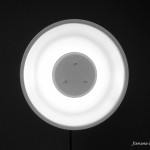
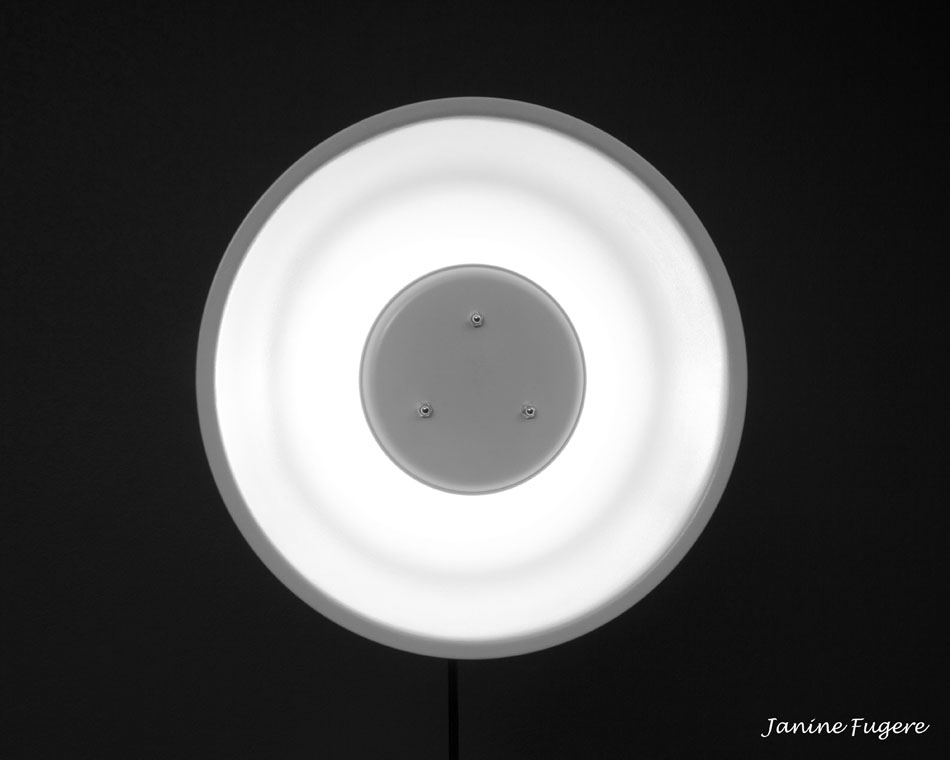
DIY Beauty Dish Illuminated with Canon 430EX II Speedlight

Making my own DIY Beauty Dish is one of the coolest things I’ve ever had the satisfaction of accomplishing!

This super cool homemade “Do It Yourself” gadget is my newest piece of photography equipment and it is taking me into new territory in lighting techniques. I love it!!!

So what, you may ask, possessed me to make my own Beauty Dish???

Right up front, I’d like to acknowledge two photographers who inspired me to undertake this project. I’m grateful to Todd Owyoung of ISHOOTSHOWS.com, who created the design for the dish, and to Mike Luter of Studio Styles Photography Training for inspiring me to want a dish in the first place. These two photographers generously share their knowledge with others, which helped me on my way. Here is the story behind what led me to them & to building my own DIY Beauty Dish…

I’d been seeing many interesting effects other photographers get with a variety of lighting and wanting to improve my lighting skills. One photographer I follow is Mike Luter, who has a great page on Facebook called “Studio Styles Photography Training.” I love the work I’ve seen on his page. One day he posted the portrait below and I was blown away by the quality of the simple but impactful lighting Mike achieved in this photograph.

Mike-Luter-Simple-2-Light-Portrait

Along with this sample portrait, Mike has posted a Blog link to video describing the Simple 2 Light Set-Up he used. This video explains how the lighting effect was achieved using a Beauty Dish with a Speedlight as the main light and a gelled photoflood background light. Here is the link to Mike’s video about this shoot:

Mike Luter.com Simple-2-Light-Set-Up

Mike also offers great online training courses, on a wide variety of topics, at this site:

studiostyles.net/

Mike & his “Studio Styles Photography Training” post inspired me to start researching Beauty Dishes, hoping I could get one on a really low budget. I did find some “bargain basement” dishes, but the reviews I found on them were not good. Quality Beauty Dishes seem to range anywhere from $300-500.

The universe led me the right way though, because I came across another photographer, Todd Owyoung, a music photographer who has become pretty famous for his post “The Best DIY Beauty Dish.” He & his brother designed & built their “Chinatown Special” Do-It-Yourself Beauty Dish, and people from all over the world have used that design to make their own Beauty Dishes. Below are a link & a screen capture of Todd’s post:

Ishootshows.com The Best DIY Beauty Dish

Best-DIY-Beauty-Dish-Todd-Owyoung-ISHOOTSHOWS

Todd & his brother also created a very helpful video tutorial on building the DIY Beauty Dish:

Ishootshows.com DIY Beauty Dish Video Tutorial

DIY-Beauty-Dish-Video-Tutorial-Screen-Capture

After reading Todd’s “how to” post & watching the video, I decided this was something I really could do. I’ve always been handy and I enjoy working with tools. So I set a goal to make my very own DIY Beauty Dish!

Todd’s dish is called the Chinatown Special, because he made it using a 16 quart stainless steel mixing bowl & an 8″ pizza pan which he found at a Chinese Restaurant Supply store. However, thanks to links Todd has on his site, I was able to order my mixing bowl & pizza pan from Amazon.com and didn’t have to go hunt down a Chinese Restaurant supplier! Todd’s site also has links to several choices of brackets to mount a Speedlight to the dish. I chose the Cowboy Softbox Bracket, which I also ordered from Amazon.com. So while Todd’s is a Chinatown Special, my DIY Beauty Dish would probably be better referred to as an Amazon Special. ;-)

I won’t list all the parts, hardware, supplies, & tools needed for this project, because Todd’s post comprehensively covers this information. You need only click links on his site to find the parts you have to order, and you can copy, paste & print out the list of tools, and the required hardware & supplies, which you’ll find at your local hardware or home improvement store.

Once all of my parts arrived and my supplies were purchased locally, it was time to build my own DIY Beauty Dish!!!

The first step was to mount my Canon 430EX II Speedlight to the Cowboy Bracket, to determine the correct settings.

Adjust-Cowboy-Softbox-Bracket-for-Speedlight

I adjusted the bracket so the flash head would extend just a tiny bit through a hole cut in the back of the dish, so light won’t escape out the back. I planned this by placing the bracket mounted flash face down on a table, making sure it was centered, then adjusted the settings until the flash head just barely lifted the bracket off the table.

Now I was ready to make a template for cutting the flash head hole & drilling the bracket holes in the bottom of the stainless steel bowl. I started by disassembling the bracket and tracing the outside of the bracket ring.

Tracing-Cowboy-Softbox-Bracket-for-Template

Disassembly allowed me to trace the full circle of the bracket, without the flash mount in the way. But I wanted to be sure my flash head ended up centered in the bracket, so I reassembled to the bracket & Speedlight to finish creating the template.

Tracing-Flash-Head-Inside-of-Bracket-to-Complete-Template

I also marked the four slots where holes to attach the bracket to back of the dish would be drilled, as well as three holes that would mount the pizza pan reflector to the inside. Here is my template, ready to cut out the hole for the flash head.

Template-Including-Hardware-Markings

Here is the template with the flash opening cut, along with various other parts & tools for the project.

Various-Parts-Template-Reflector-Bracket-Dremel

Various Parts: Template, Reflector, Bracket, Dremel

Next, I used the actual bracket ring to trace the outside circle onto the stainless steel bowl, simply because it was easier to trace the solid bracket than the paper template.

Tracing-Outside-Bracket-onto-Dish-with-Sharpie

However, the depth of the bracket is too deep for a Sharpie to reach through the mounting slots & holes, so I used the paper template to mark those on the bowl, as well as to mark the flash head opening.

Tracing-Flash-Head-Opening-onto-Dish

Since I’d traced the mounting holes through the paper template, I double checked their positions with the actual bracket & then finalized the holes for drilling.

Finalizing-Hardware-Drill-Marks-with-Sharpie

Now came the moment of truth – time to cut the hole for the flash head!

Ironically, the most daunting part for me when contemplating making the dish was that I’d need to use a metal cutting wheel on a Dremel rotary tool, to cut a hole for the flash head in the stainless steel bowl. Little did I know that this would be far easier than I imagined. I practiced one time on an old mixing bowl that I didn’t care about. On this practice, I learned a few things about the metal cutting portion of this project:

  1. Follow Todd’s advice & wear earplugs!
  2. Safety goggles are also mandatory as tons of sparks fly while you are cutting.
  3. Avoided wearing any synthetic clothing such as polyester or nylon (which hiking photographers like me in Colorado practically live in). Those sparks while cutting the metal will melt synthetics in a flash of a second!
  4. When cutting, keep a steady hand.
  5. Don’t use pressure; let the high speed of the cutting wheel do the work.
  6. When cutting into the corners (the trickiest part), be careful not to let the cutting wheel “kick back” to the right, which caused over cutting a gash outside the boundary of the first corner I tried on the practice piece.

I got the techniques down & the rest of my cutting practice went fine. I was ready for the real deal!

Ready-to-Cut-Flash-Head-Hole-with-Dremmel

After my “throwaway practice”, I easily managed a nearly flawless cutting of the flash head hole on the actual bowl for my Beauty Dish. Then I followed Todd’s advice to clean up the edge with an aluminum oxide grinding stone on the Dremel.

The next step was preparing the pizza pan reflector for drilling. I used the template again to mark the 3 holes that would be used to mount the reflector to the inside of the dish.

Marking-Drill-Holes-for-Mounting-Reflector-to-Dish

Here is the pizza pan reflector marked for drilling:

Pizza-Pan-Reflector-Marked-for-Drilling

Now it was time to drill the holes for mounting hardware in both the stainless steel bowl and the pizza pan reflector, and to use the aluminum oxide grinding stone on the Dremel to clean up rough spots and burs around the holes. Then the last step before painting was to sand both pieces, in order to provide a good surface for spray paint to adhere to. Here are both pieces ready to paint:

Dish-Reflector-All-Ready-to-Paint

  • Now is when the real challenges began!
  • Any can of spray paint states temperatures must be above 50 degrees for use.
  • My luck was that a 15-18 degree cold spell set in just on the day I was ready to start painting!
  • I improvised a heated “paint shop” so I could paint in this cold weather by hanging lots of tarps and blankets to completely enclose a small portion of my garage, in order to contain heat from a space heater.
  • So much for the instructions to only use spray paint in a well ventilated area!
  • To make up for painting in a poorly ventilated area, I wore a painter’s mask with a charcoal filter.
  • The “paint shop” with space heater did the trick & it was just warm enough to get a good paint surface.

Improvised-Paint-Shop-Garage

Here is a photo of the bowl & the pizza pan, with the white paint completed:

White-Reflective-Surfaces-Painted

About now is when I realized just how much the Dremel cutting had truly been the least of my challenges. I do not have any more photos of the paint process because things got a bit hairy. I mean literally!

  • My advice is, if you have a dog, give it away & have your entire home & garage professionally cleaned before undertaking the painting portion of this project!
  • If you love your dog too much to give it away, like me, then plan on buying extra paint and going through several rounds of having to sand off some dog hair that got stuck in the paint, and then repaint again (and again…)

I also came across another painting challenge, which I will offer these tips on how to avoid:

  • Once finished with the white inside of the bowl, be very patient to let it dry completely before turning it over to paint the black side.
  • Also, place some wax paper under the white rim of the bowl when you do turn it over, so the paint won’t stick.
  • I learned this the hard way – when I’d finished my black paint on the outside, my white rim had stuck to the cardboard & some peeled off when I picked up the dish. Had to sand & touch up the white again. Then had to touch up the black in all the places I accidentally got white on the outside. And so on…

Finally, I was ready for the Polycrylic Protective Finish. After seeing just how easily the paint peels & gets dinged just while I was working on it, there is no way I was skipping this step. I didn’t fool around – 6 protective clear coats on the outside, and 4 clear coats inside. Then I let the paint dry for 24 hours before assembly.

FINALLY – TIME TO ASSEMBLE MY DISH!

I was too excited to see the dish assembled to bother taking any photos while putting the parts together. See Todd’s “Best DIY Beauty Dish” post for illustrations of the procedures to attach the hardware. It was simple though:

  1. Use the (3) 1/4″-20 x 3″ round head slotted machine screws, with the washers and the jam nuts to attach the reflector to the inside of the bowl.
  2. Place the washer between head of the screw & the back of the bowl, and insert the screws through the back of the bowl.
  3. Next place a nut on each screw all the way up against the inside the bowl.
  4. Then place another nut close to the end of each screw.
  5. Don’t put the pizza pan reflector on yet. You need access to the inside of the dish to mount the bracket.
  6. Now mount the re-assembled flash bracket (but without the Speedlight) to the outside rear of the bowl using the (4) #4-40 x 1/2″ round head slotted machine screws & corresponding jam nuts.
  7. These are tiny suckers so you need to be patient & use a small flat head screwdriver, along with a needle nose or other very small pliers to hold the nuts on the inside while you tighten them.
  8. Last, slip the pizza pan reflector (concave side facing in) onto the 3″ machine screws inside of the dish.
  9. Finally, add another nut to hold the pizza pan in place. I used hex cap nuts for the outside, to give the piece a more finished look.

VOILA! READY TO MOUNT THE FLASH TO THE BEAUTY DISH!

Here are photos, from several angles, of my assembled DIY Beauty Dish:

Side-Rear-View-of-Finished-Beauty-Dish

Front-Angled-View-of-Finished-Beauty-Dish

Rear-View-of-Finished-Beauty-Dish

Side-Front-View-of-Finished-Beauty-Dish

Side-View-Finished-Beauty-Dish

As the saying goes, the proof is in the pudding, so it was time to put my DIY Beauty Dish to the test!

After fooling around with some self-portrait test shots, I was impressed enough with the lighting to feel confident about using the Beauty Dish with a real client. The next day, I took Senior Portraits for a student I’ve known for 5 years. Isaiah was a great subject & his portraits came out fantastic!

Incidentally, I also made the background in these portraits (many years ago), by dying a huge sheet of linen with Grey Rit Dye, and then hand painting the splotchy cloud effects on it. Very painstaking process, but I love the result.

Here are several poses from Isaiah’s Senior Portrait shoot (the first pose is his favorite):

Isaiah-Senior-Portrait-DIY-Beauty-Dish-Canon-Speedlight

Isaiah-Senior-Portrait2-DIY-Beauty-Dish-Canon-Speedlight

Isaiah-Senior-Portrait-Head-Shot-DIY-Beauty-Dish-Canon-Speedlight

I LOVE MY DIY BEAUTY DISH!!!

DIY-Beauty-Dish-Canon-430EXII-Speedlight

My mom once gave me a poster, when I was a teenager, which said, “If you don’t try, you’ll never know if you can do it.” I’m so grateful I was raised to understand this. Sure, it would have been far easier to just buy a Beauty Dish. However, it never would have given me the same satisfaction & pride of accomplishment that my DIY Beauty Dish has given me!

GO FOR IT – MAKE YOUR OWN DIY BEAUTY DISH!


Janine Fugere ~ As Seen by Janine: Eyes of the World Images


"As Seen by Janine: Eyes of the World Images Photo Blog"  by Janine Fugere. 

Come take a look at the world "As Seen by Janine." 

My cameras and lenses are my "Eyes of the World."  Please enjoy the view! 

Increase your website traffic with Attracta.com